

And what are the three particularly dangerous foods for their health?
An increasing number of people worldwide are opting for home-cooked meals for their pets, driven not by a passing trend but by a thoughtful approach. This shift stems from critical thinking— the ability to analyze, synthesize, evaluate, and apply information gleaned through observation, experience, and reflection. This discerning mindset makes cooking homemade food for our furry friends a sustainable solution. Crafting nutritious recipes for homemade dog food provides a sense of certainty about what our pets are consuming. Recent studies have highlighted a rise in oncological and autoimmune diseases in domestic animals, prompting pet owners to reconsider their pets’ diets for better health outcomes.
As individuals, we diligently strive to cultivate a nutritious diet and foster a positive eating culture. Our commitment to this endeavor is driven by a desire to maintain optimal physical fitness, enhance overall well-being, achieve a youthful appearance, and, most importantly, bolster our immune system to combat diseases effectively. Our concern transcends mere consumption; we delve into the intricacies of our food, scrutinizing its origin, assessing the presence of nitrates, evaluating its organic status, and ensuring it is free from carcinogens. This multifaceted approach reflects our unwavering dedication to holistic health and a conscientious understanding of the impact our dietary choices have on our overall wellness.
For the majority of dog owners, a pet transcends the status of a mere animal; with time, they seamlessly evolve into cherished family members – full-fledged and dearly loved! 😊 The depth of affection for these companions is profound, and their well-being holds paramount importance. Consequently, when scrutinizing the bag of kibble or the can of pâté, as one catches a whiff of its peculiar aroma and observes its appearance, a cascade of questions naturally ensues. What precisely constitutes this food? Is it beneficial? Does it pose any harm? Can anyone vouch for its quality beyond the influence of advertisements? These inquiries reflect a genuine concern for the pet’s welfare and underline the discerning nature of responsible pet ownership.
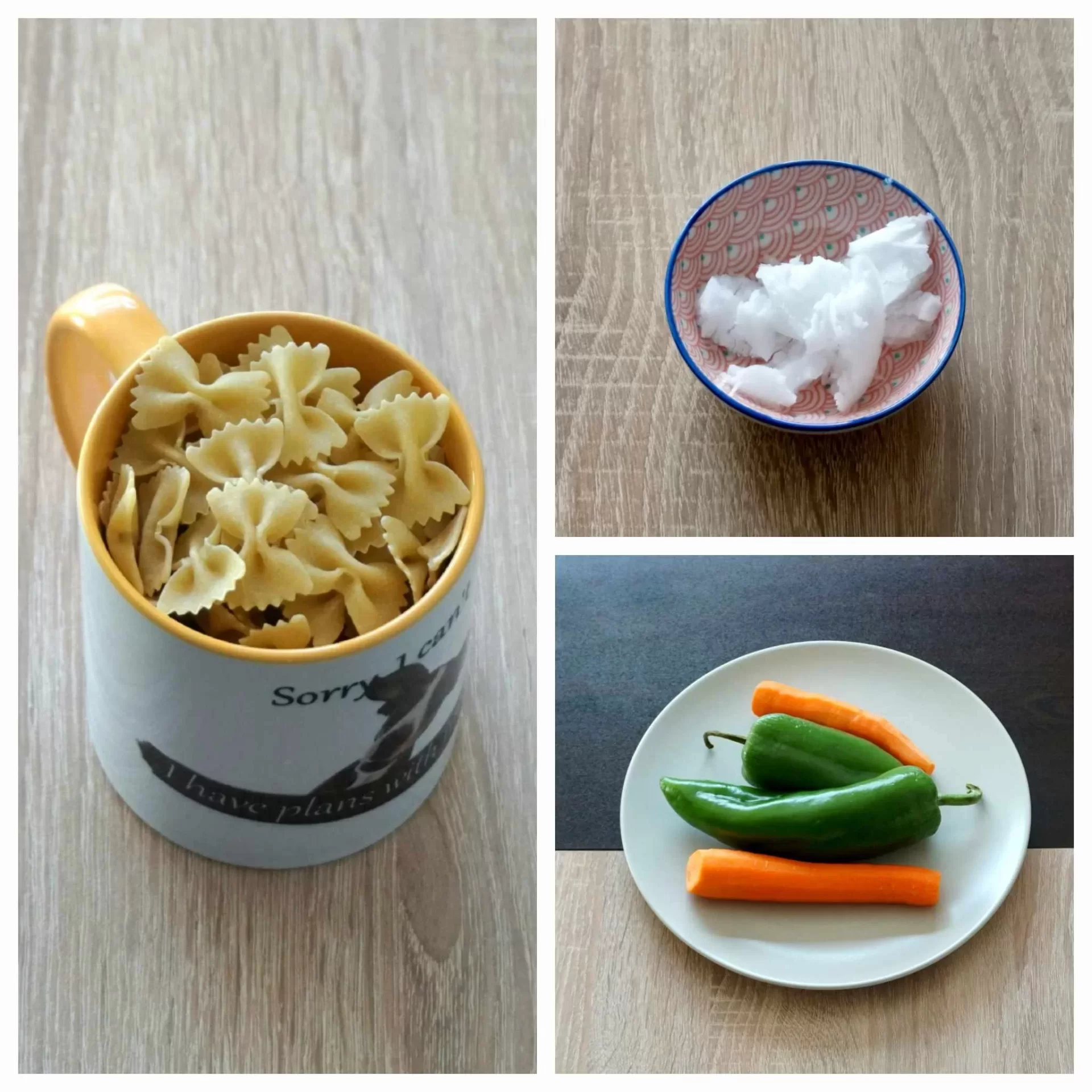
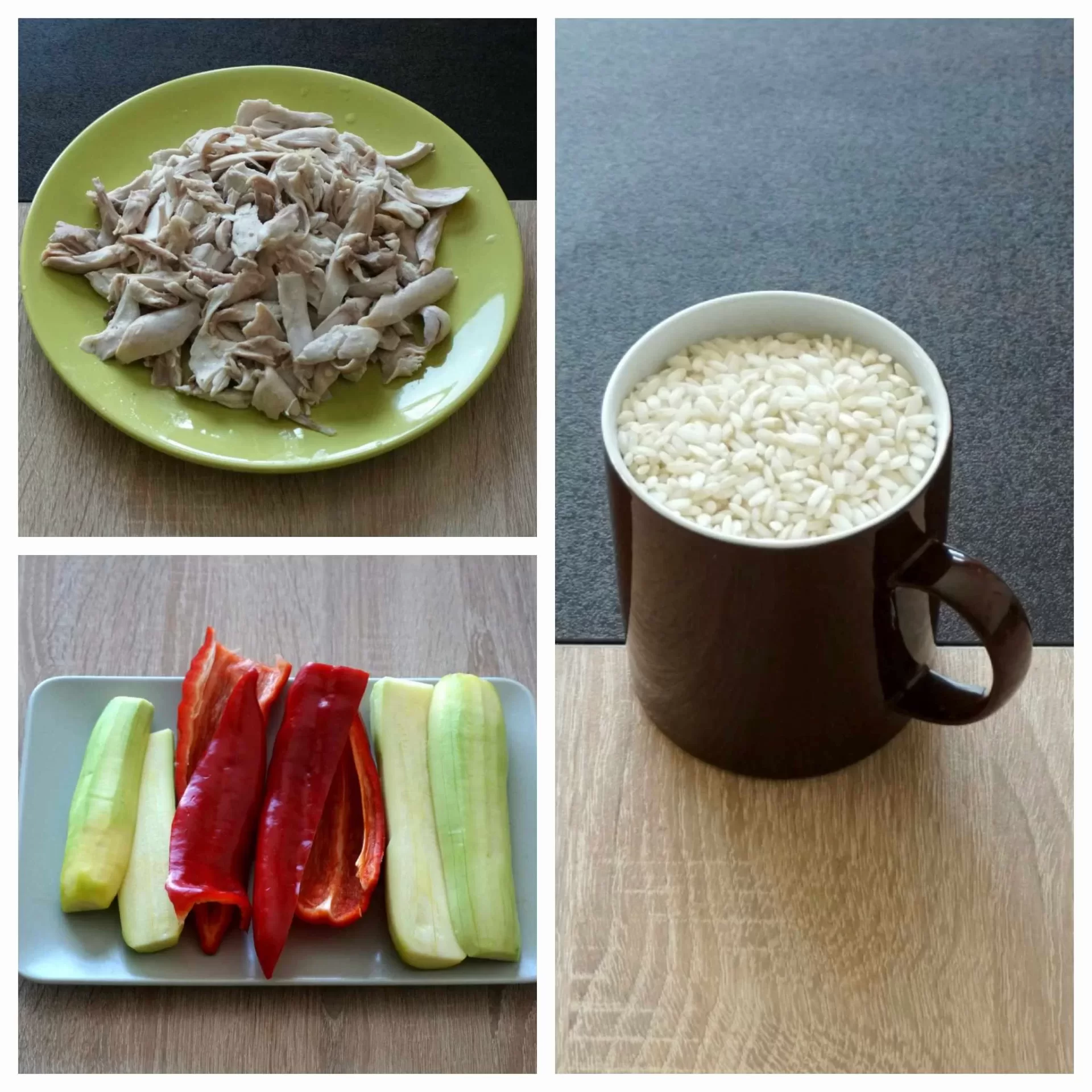
Crafting homemade food not only provides a clear understanding of its ingredients but also offers a delightful bonus – the ability to exercise greater control over your budget. You can tailor your choices based on seasonal availability or your financial considerations. After all, the universal truth remains: fresh and wholesome ingredients consistently yield superior results! Moreover, the preparation of homemade puppy food comes with added convenience, as the recipes are typically simpler to execute than traditional human meals. With just a few straightforward steps, utilizing everyday kitchen tools and readily available ingredients, you can create nourishing meals for your furry companion.
Mastering the art of home cooking for your puppy presents a distinctive challenge: abstaining from the use of spices. In culinary endeavors, individuals often employ a diverse array, sometimes in abundance, to enhance flavor. However, this very culinary practice renders our food unsuitable for our beloved pets. Should you opt to prepare nourishment for your canine companion, it is imperative to recognize that what may be unappealing to your palate can be beneficial for them. Additionally, maintaining an unwavering awareness of foods that are detrimental to dogs is crucial. Notable examples include avocados, garlic, and grapes, each possessing the potential to be fatal. To elucidate further on this matter, let us delve into the reasons behind the peril these foods pose to our four-legged friends.
Enemy №1 – ONIONS: 🧅🧄 Onions, notorious for their harmful effects on dogs, harbor a sinister substance known as N-propyl disulfide. This chemical poses a severe threat, as it binds to the oxygen molecules within red blood cells, triggering oxidative damage. The repercussions are dire—your beloved companion’s immune system erroneously identifies its own red blood cells as foreign invaders, leading to a catastrophic condition known as hemolysis. Symptoms manifest relatively swiftly, though in cases of inadvertent ingestion of a small onion quantity, they might be delayed for several days. Recognizing these warning signs is crucial. Watch out for indications such as vomiting, pallid gums, an accelerated heart rate, discolored or darkened urine, respiratory difficulties, and a noticeable lack of balance and orientation. It’s imperative to treat this matter with utmost seriousness, as even a minuscule quantity can pose a severe threat to your dog’s health and, in extreme cases, jeopardize its life! It’s crucial to note that this caution extends to all members of the Allium family, including leeks, chives, garlic, red onions, and others. Remaining vigilant and diligent in preventing your furry companion’s access to any Allium plant is essential for their well-being and longevity.
Enemy №2 – AVOCADO: 🥑 Avocados, seemingly innocent and trendy among humans, harbor a perilous compound known as persin, a potent fungicidal toxin. This substance poses a grave risk to many dogs, potentially leading to severe health issues and, in extreme cases, even death. The threat extends beyond just the stones and leaves of the plant; the fruit itself contains persin, making it potentially toxic for your faithful companion. Ingesting avocados can trigger adverse reactions, including vomiting, diarrhea, and myocardial damage. The high fat content in avocados is an additional concern, as it can induce gastrointestinal disorders and, in more severe cases, pancreatitis. Moreover, the calorie density of avocados poses a risk of weight gain for your furry friend. As a responsible pet owner, it is highly advisable to keep your dog at a safe distance from avocados, recognizing the potential hazards they carry. Prioritizing your dog’s well-being involves steering clear of this deceptive culinary delight.
Enemy №3 – GRAPES: 🍇 The enigma lies in the composition of grapes that renders them highly toxic to our canine companions. Although the specifics remain unclear, the undeniable truth is that ingestion of grapes adversely impacts the liver function in our tail-wagging friends. This perilous encounter can inflict severe damage on their kidneys, swiftly progressing to sudden kidney failure—a dire situation that unfortunately culminates in a fatal outcome. It is crucial to note that the danger extends to raisins as well, considering they are a derivative product of grapes. The onset of symptoms indicating grape intoxication typically surfaces within the initial 24 hours. These signs include frequent urination or its absence (indicative of impaired kidney function), episodes of vomiting, bouts of diarrhea, foul breath, reluctance to consume food, dehydration, and a noticeable lethargy.
These highlighted foods are just a fraction of the potential dangers for dogs; numerous others exist. Understanding what is safe and what to avoid when feeding your dog is paramount. In my blog, „Yeses and Noes in a dog’s menu or what is good and what is dangerous for a dog to eat!“ you’ll discover a helpful table for quick reference. The key rule is to avoid excess and maintain variety in your puppy’s diet. Exercise caution, stay vigilant, and, above all, stay informed. Your dog’s well-being rests in your hands. Take responsibility for the health of your four-legged companions.
