

Many dog owners are increasingly turning to homemade diets as a healthier alternative to commercial kibble. The reasons are clear: home-cooked meals allow control over ingredient quality, freshness, and the absence of unwanted additives, preservatives, or artificial colors. However, when switching to a homemade diet, especially without giving bones, one crucial question arises: how will the dog get enough calcium?
Why Calcium is Vital
Calcium is a mineral that plays a key role in a dog’s body. Its main functions include:
- Healthy bones and teeth – Calcium is the main structural element of bones and teeth. Deficiency can lead to brittle bones, slow growth in puppies, and skeletal deformities.
- Muscle function – Calcium is necessary for muscle contraction. Lack of calcium can cause muscle spasms, weakness, and difficulty moving.
- Nervous system – Calcium is essential for transmitting nerve impulses, ensuring proper brain and nerve function.
- Blood clotting – Calcium is critical for proper blood coagulation, which is vital in case of injuries.
The problem arises with homemade diets without bones, because meat contains a lot of phosphorus but almost no calcium.
Homemade Diet Without Bones – Benefits and Risks
Removing bones is often done for safety and convenience, as bones can cause:
- Choking hazards
- Broken teeth
- Digestive tract injuries
However, bones are a natural source of calcium. Without them, an alternative source must be added to prevent health problems.


Why Homemade Food Without Bones Can Be Healthier Than Kibble
- Freshness and control: You can choose high-quality ingredients without chemical additives.
- Personalized diet: Food can be tailored to the dog’s age, weight, activity, and health.
- Better digestibility: Fresh ingredients are generally absorbed better than dry kibble.
Balancing minerals, especially calcium and phosphorus, is critical. Calcium deficiency in homemade bone-free diets is common and can cause serious health issues.
Calcium in Homemade Diets – What You Need to Know
Recommended Amounts
Calcium needs depend on age, weight, and activity level:
- Adult dogs: about 1 g calcium per 1000 kcal of food
- Puppies and growing dogs: 1.2–2 g per 1000 kcal (depends on breed)
Calcium: Phosphorus Ratio
The correct calcium-to-phosphorus ratio is crucial. The recommended ratio is about 1.2 : 1 to 1.4 : 1. If calcium is too low or phosphorus too high (as in meat-only diets without bones), dogs can develop:
- Slow bone growth in puppies
- Limb and spine deformities
- Muscle function problems
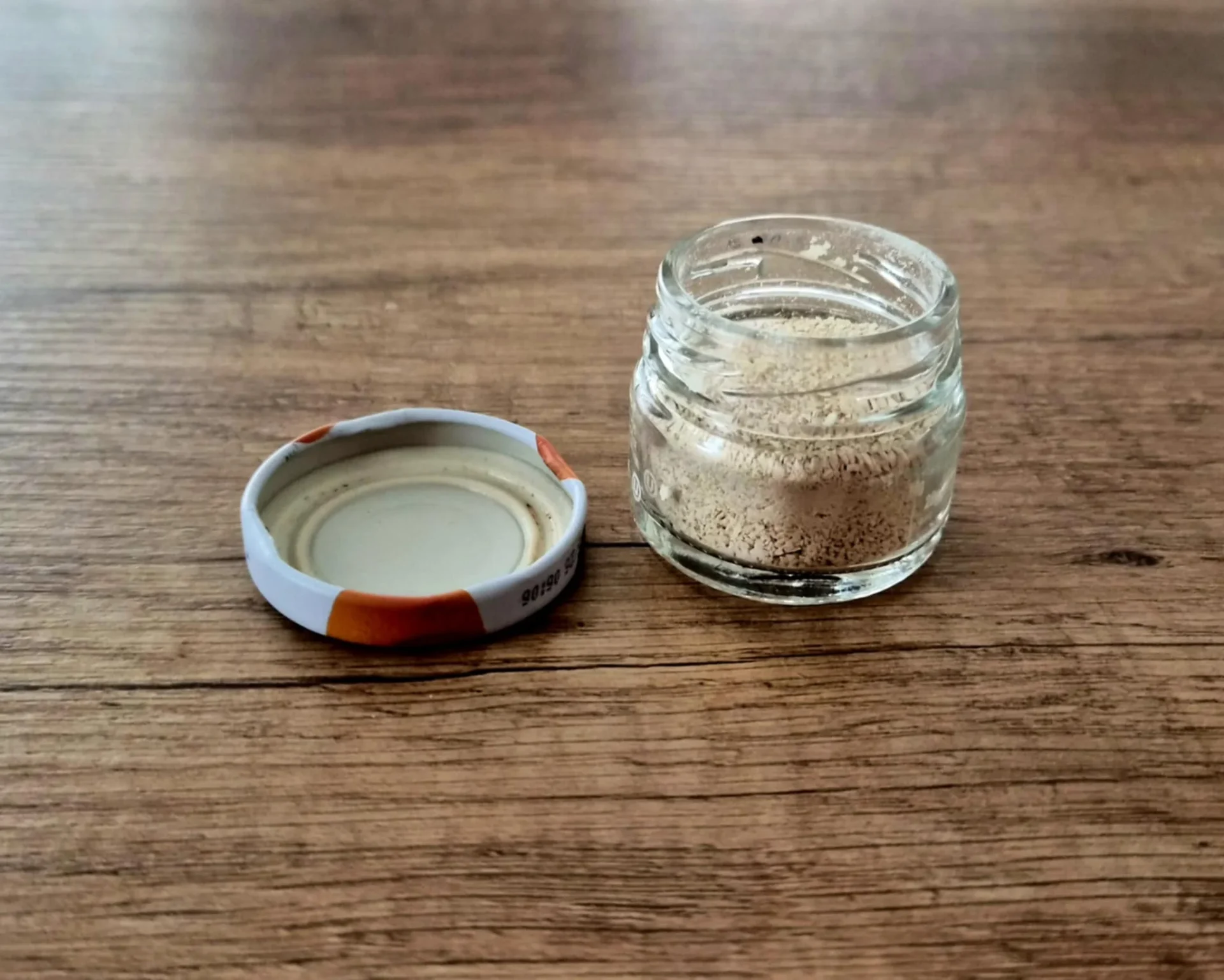
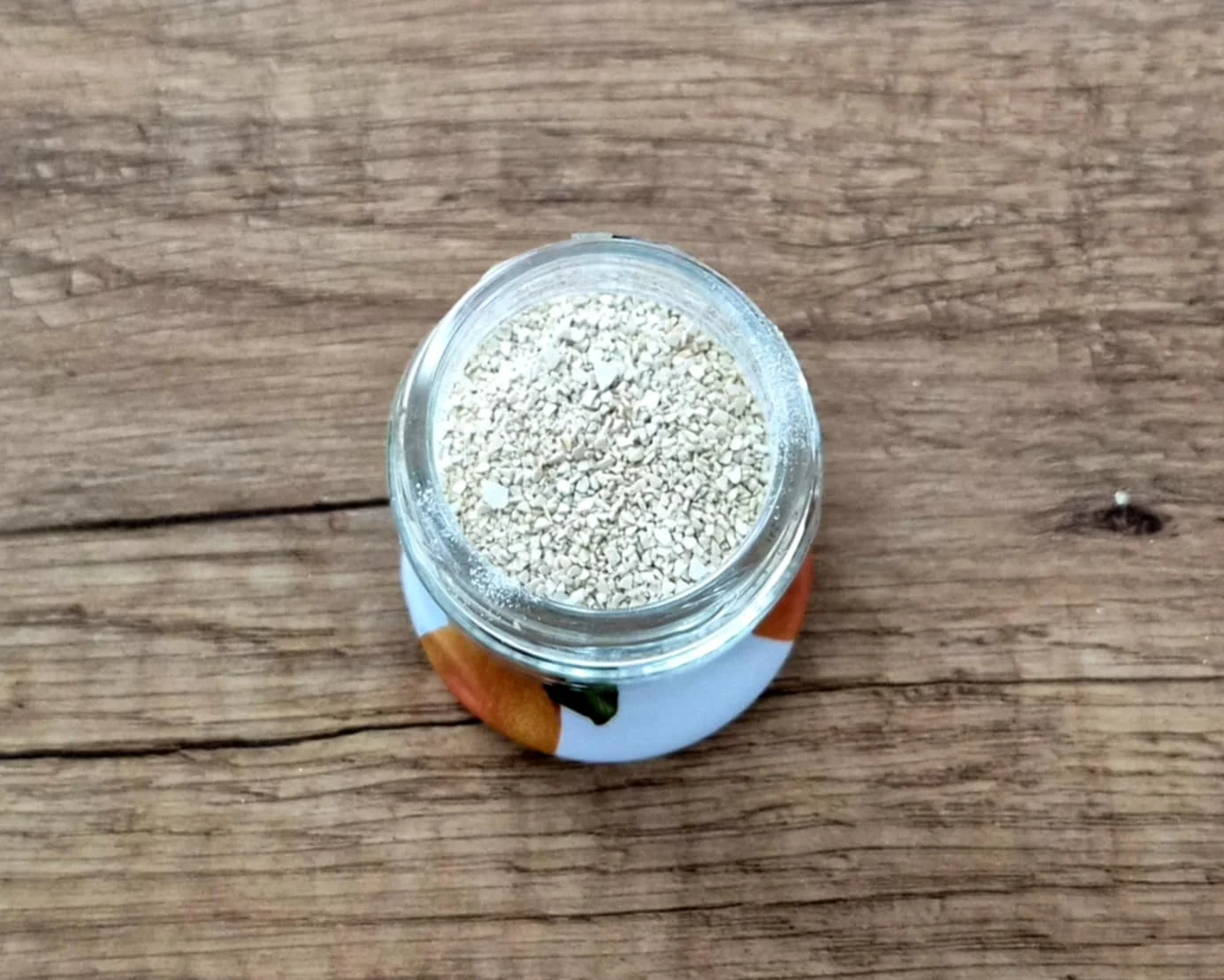
Calcium from eggshells the best homemade source
Many owners prefer to prepare calcium themselves from eggshells. They are:
- A natural and highly bioavailable source of calcium
- Contain approximately 400–450 mg of calcium per 1 g of ground powder
- Allow precise dosing according to the dog’s individual needs
Important: Raw eggshells should not be given without prior processing, as they may contain bacteria.
Calcium dosage according to the dog’s weight
To avoid both deficiency and overdose, calcium must be dosed carefully. Below are approximate daily amounts for homemade diets without bones:
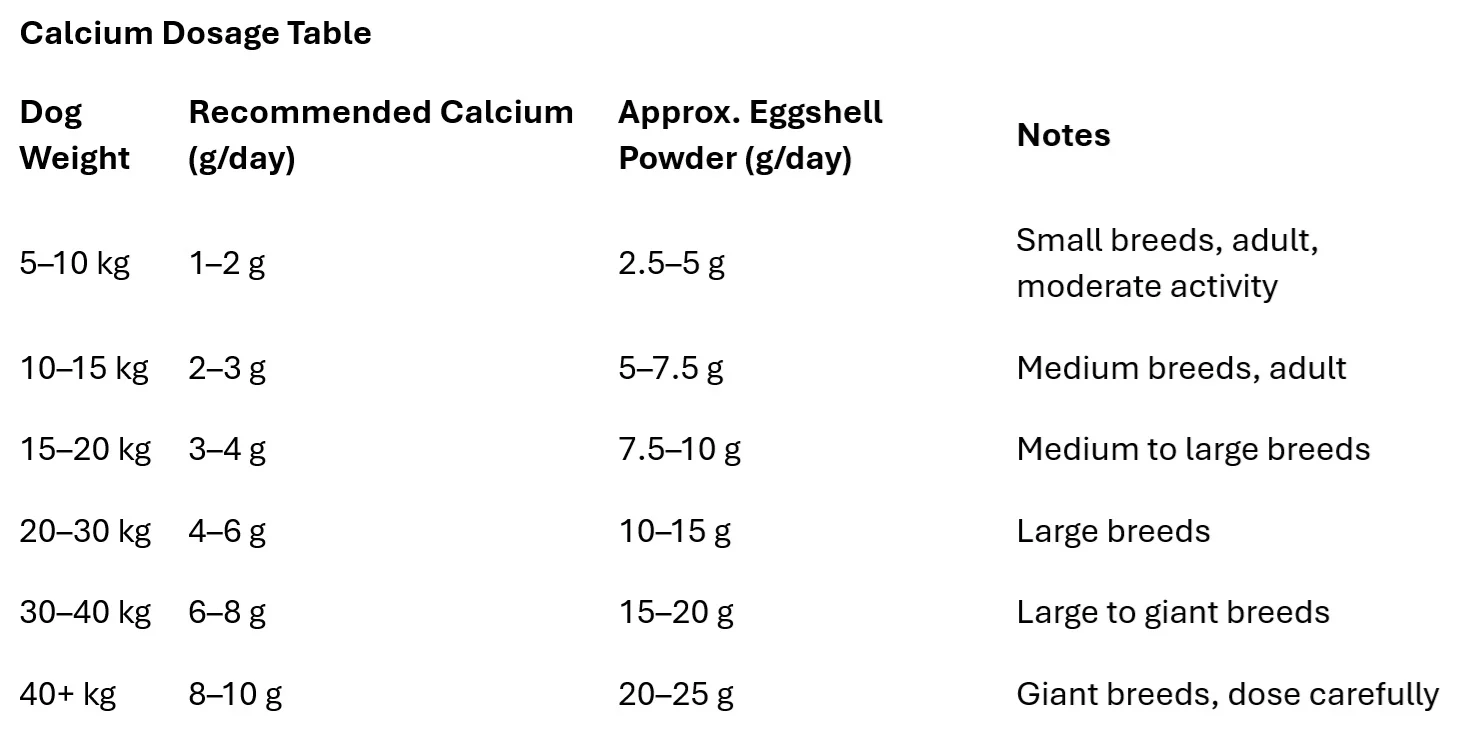
These amounts are approximate and are based on a standard calcium deficiency in homemade diets without bones. They should be adjusted according to the quantity and caloric content of the food. The exact requirements can be determined by a veterinarian.
Benefits of proper calcium supplementation
- Maintains healthy bones and teeth – especially important for growing puppies and large-breed dogs.
- Optimal muscle and nerve function – helps dogs remain active and energetic.
- Reduced risk of metabolic issues – maintaining the correct calcium-to-phosphorus ratio supports overall health.
- Long-term health – helps prevent osteoporosis and skeletal deformities in senior dogs.
What to monitor to avoid harm
- Do not over-supplement calcium – excessive amounts, particularly in large-breed puppies, can lead to skeletal deformities, arthritis, and growth disorders.
- Monitor the calcium-to-phosphorus ratio – high calcium levels without sufficient phosphorus can also be harmful.
- Review your dog’s food intake – diets very high in meat and fat require especially careful calcium supplementation.
- Regular check-ups – a veterinarian can perform blood tests to assess calcium and phosphorus levels.
When calcium should not be added
- In dogs already receiving premixes or commercial diets that contain added calcium.
- In small-breed puppies if the diet already provides balanced calcium levels.
- If the dog has kidney disease or a predisposition to urinary stones, excess calcium may worsen the condition.
Homemade, bone-free diets for dogs are an excellent way to provide fresh, high-quality, and personalized nutrition. However, to be safe and effective, calcium supplementation is essential. Calcium supports healthy bones, muscles, the nervous system, and blood clotting, and deficiency can lead to serious health problems.
Using natural calcium from eggshells allows for easy and safe dosing based on the dog’s weight. It is crucial to monitor both the dosage and the calcium-to-phosphorus ratio to avoid deficiency or overdose.
With proper calcium supplementation, your dog can enjoy a strong skeletal system, an active lifestyle, and a long, healthy life. Bone-free homemade feeding can be completely safe—and even healthier than kibble—when done correctly.