
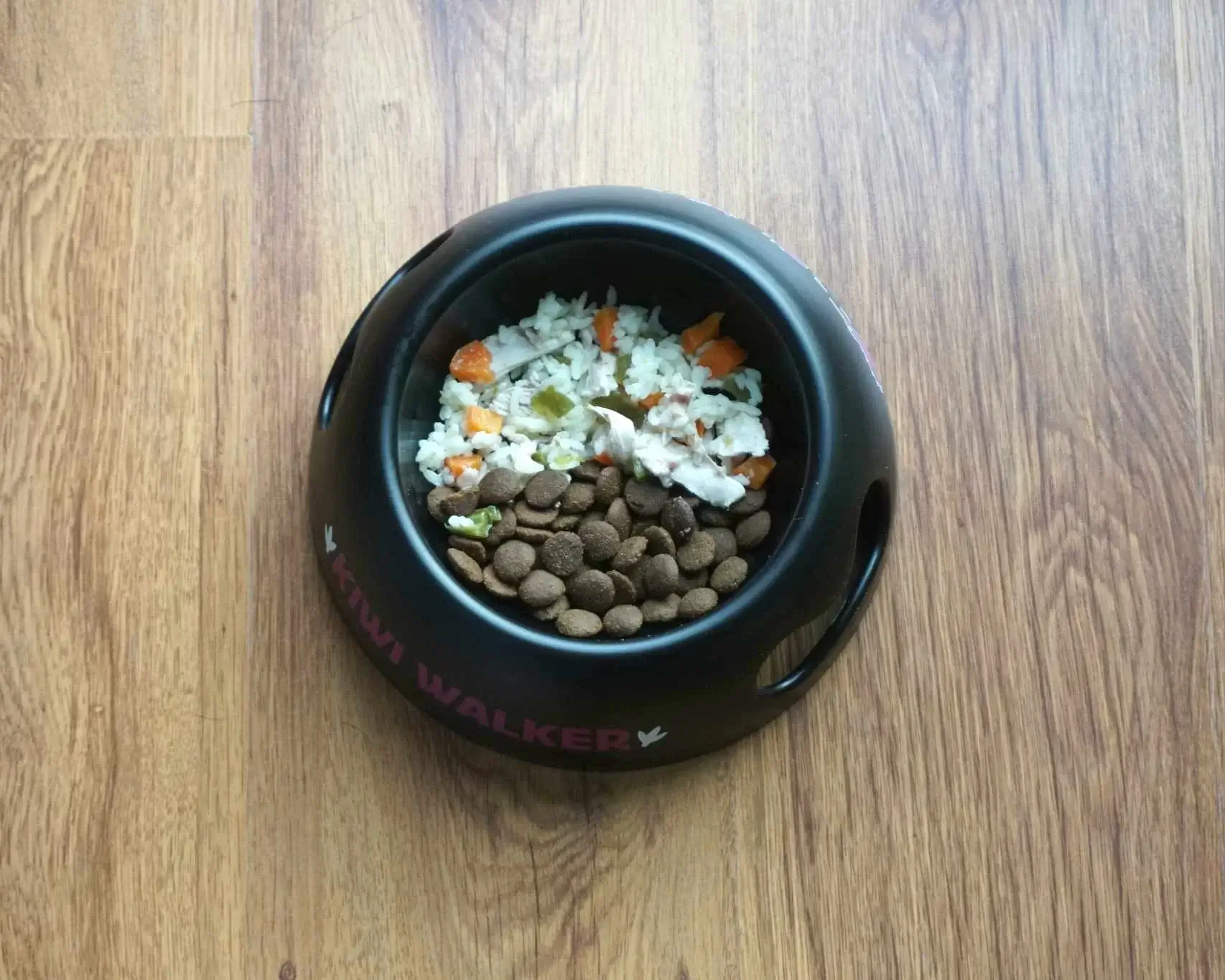
We’ve all heard that human food is bad for dogs…That’s not entirely true, maybe in part or to put it bluntly – yes, there are foods that we humans eat that are bad for dogs. And this is where the idea of knowledge comes in, knowledge of what a dog can and cannot eat. You can read more on the topic in the introductory article of the blog – “Yes and No in the dog menu”.
But frankly, for many years, humans have fed their pets the leftovers of their food and slowly over time they have evolved to digest it. It’s good to know that pellets/dry food and wet food (cans, pouches) are foods that have came much later. They are commercial foods that have been marketed for a long time. If you’re interested in the topic, look up “Big Kibble: The Hidden Dangers of the Pet Food Industry and How to Do Better by Our Dogs“. This book will really make you think and understand quite a bit about dog food and nutrition. In recent years, after the release of the Big Pellets, certain pet foods have been pulled from the market for safety reasons. This was the moment I made the decision to switch to homemade alternatives of healthy, organic, fresh and grain-free foods for my two dogs. Later, I discovered that many other owners chose this feeding option as well. There’s no doubt that homemade food can be a healthy alternative to pellets, but in addition to taking time to prepare, you also need to know how to substitute one diet for another.
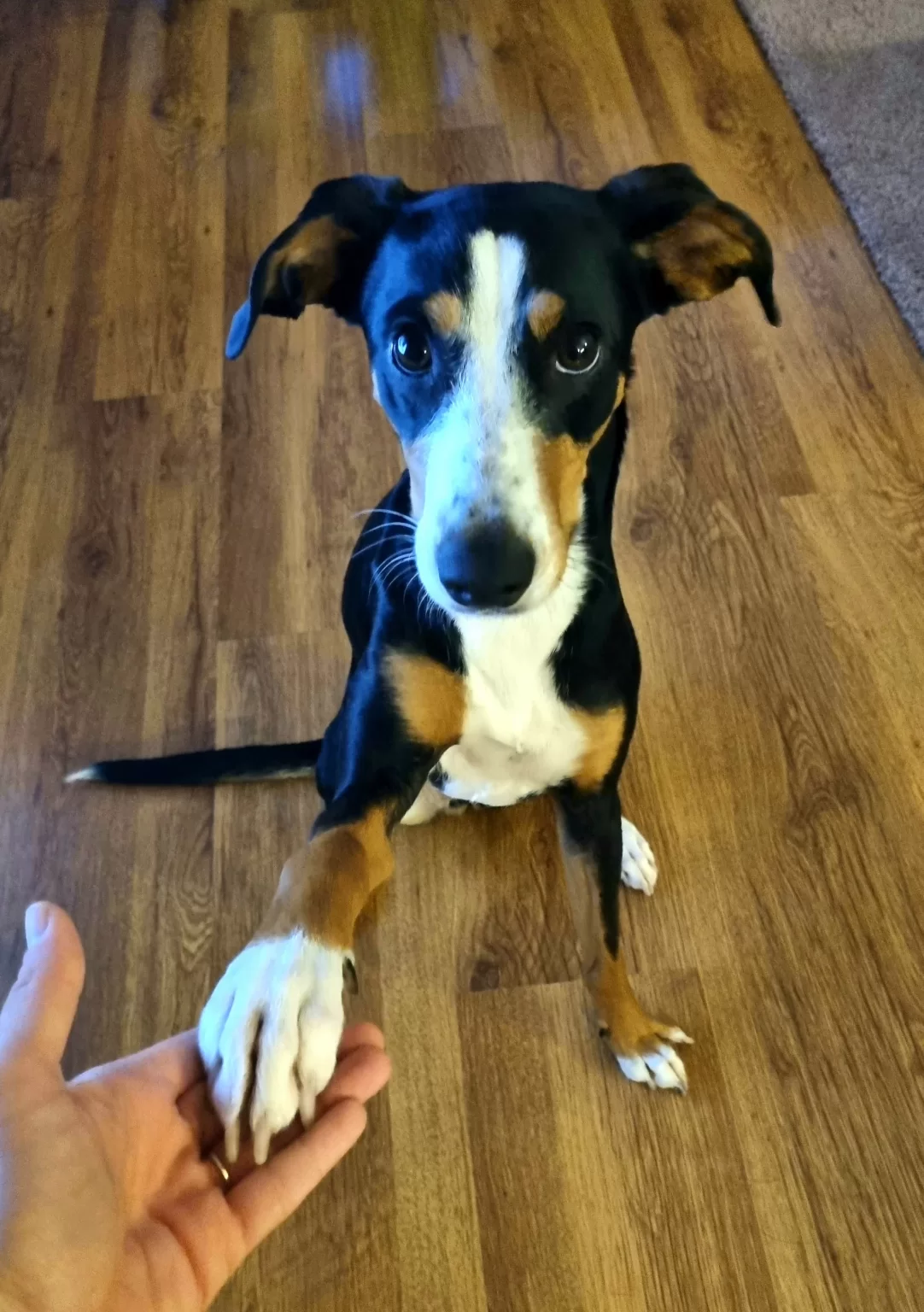
How exactly does this happen?
The transition must be smooth so as not to cause an eating disorder in the dog’s body. The smoother the process, the better, as this food is brand new to them and they need a period for adaptation. Don’t doubt that they will like the taste of it, it’s not about that, it’s about the body adapting from compressed pellets to home cooked food. It has a completely different consistency and although it is easier to digest the dog’s body has to adjust to it. This is especially important in cases where your pet has taken nothing but pellets and dog treats.
Here’s an idea for you! Awaken their curiosity and taste receptors. Start introducing fresh food into your dog’s daily regimen. Give it to them instead of a reward when you want to reward them for something. Wash, peel and slice a carrot into rounds, do the same with an apple (you can store them in a box, in the fridge). When you are playing with your pet and want to reward them, instead of pellets or dog treats give them a carrot or an apple. You’ll probably be surprised to find how much they’ll like that. But no wonder – fresh food is always better!
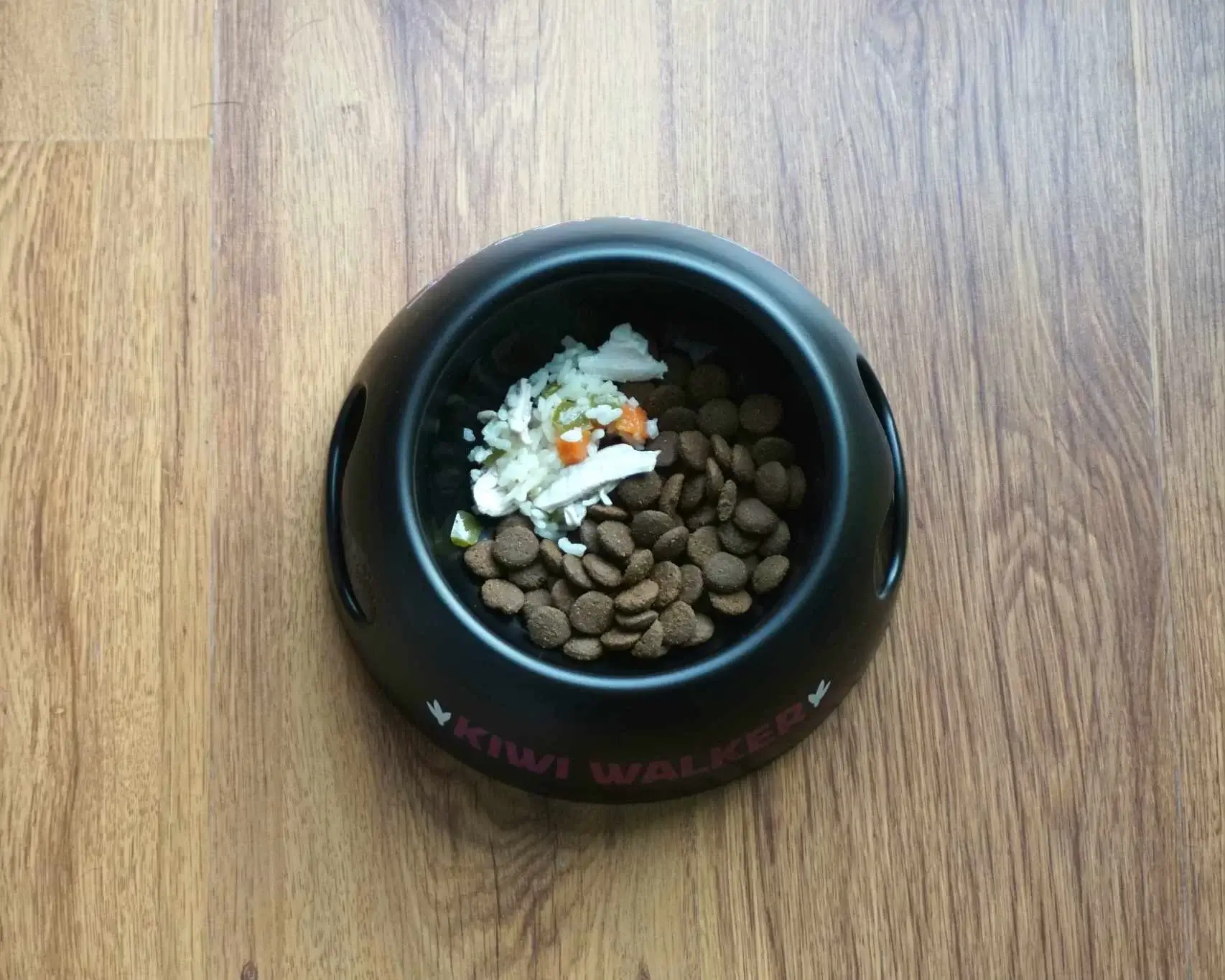
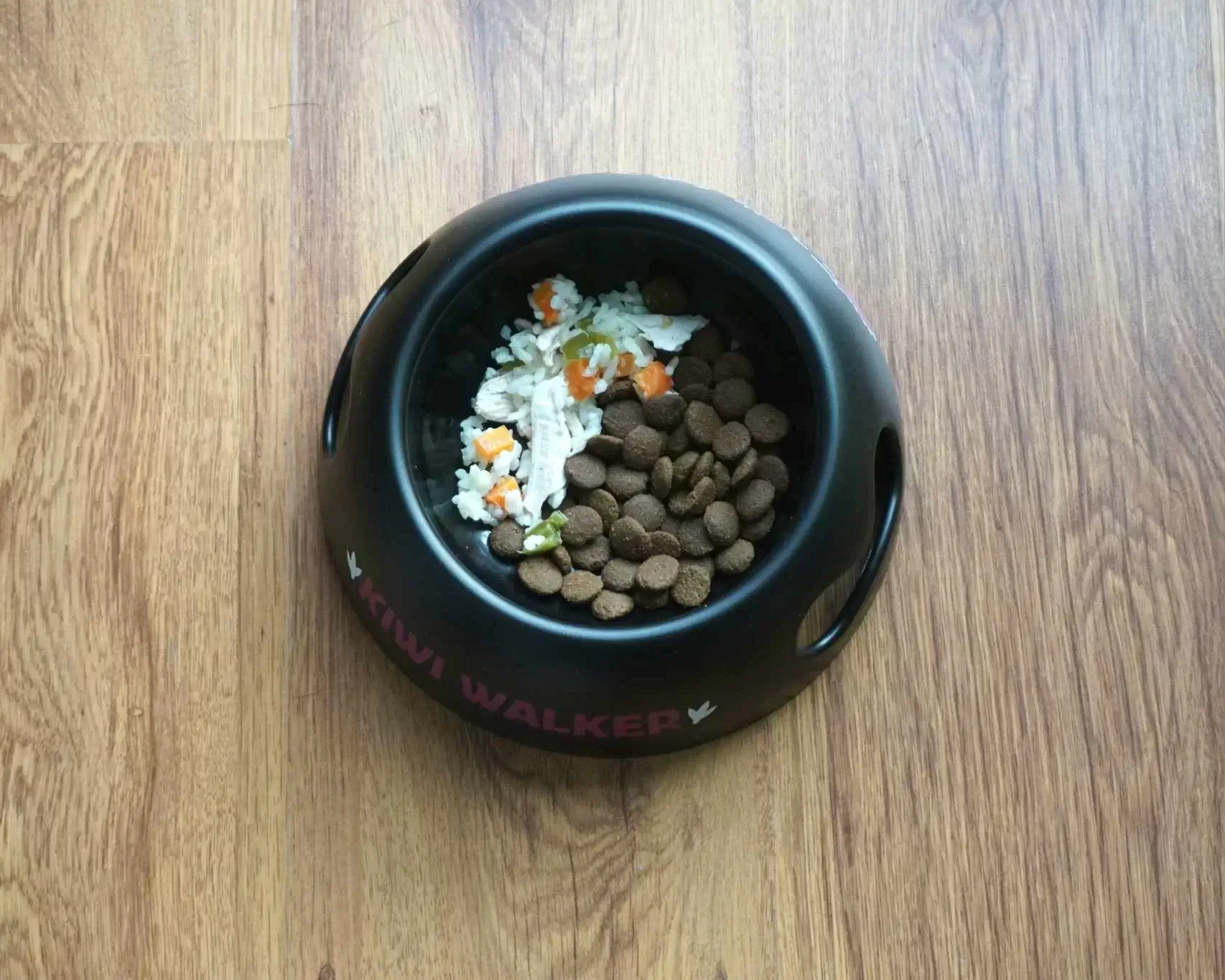
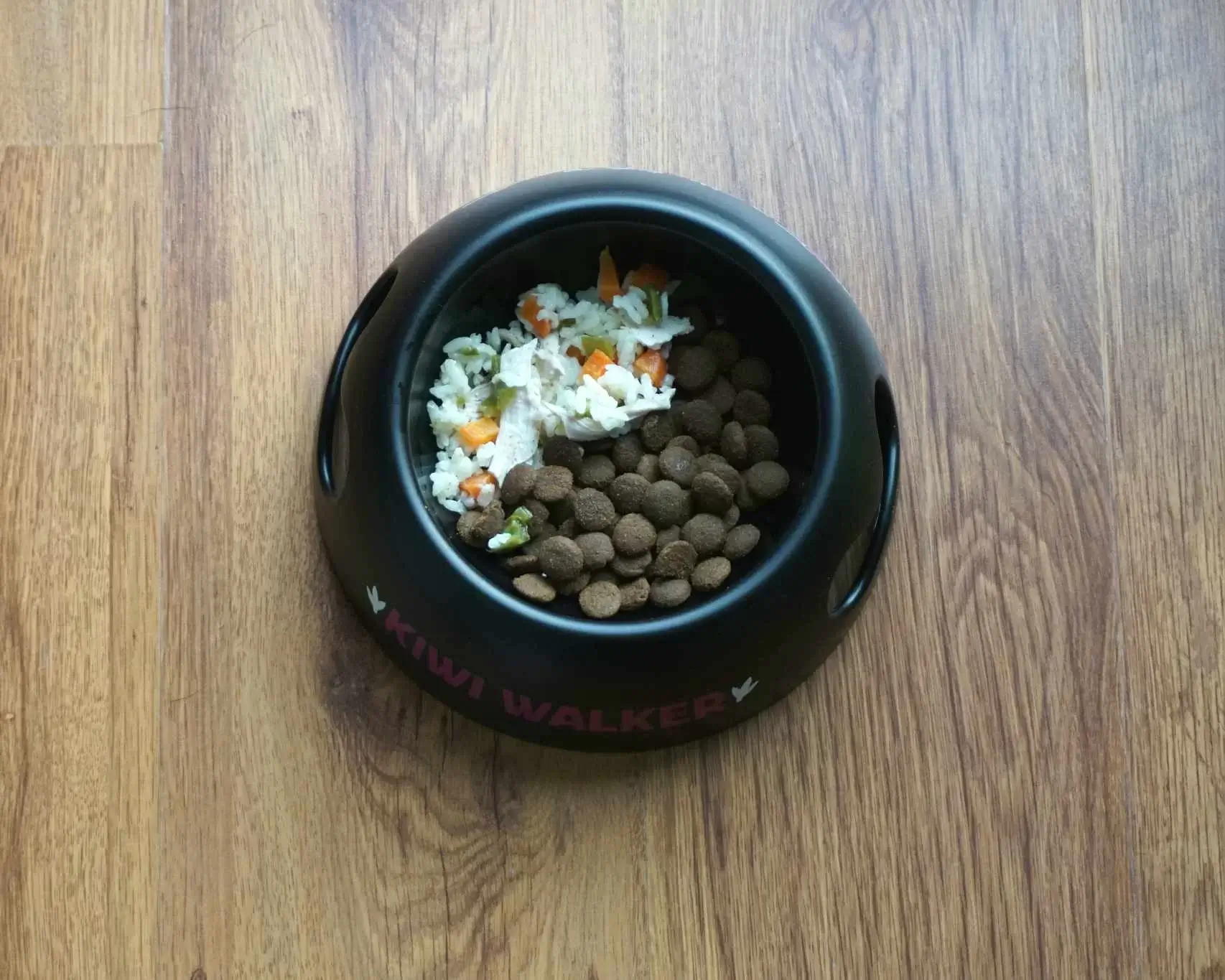
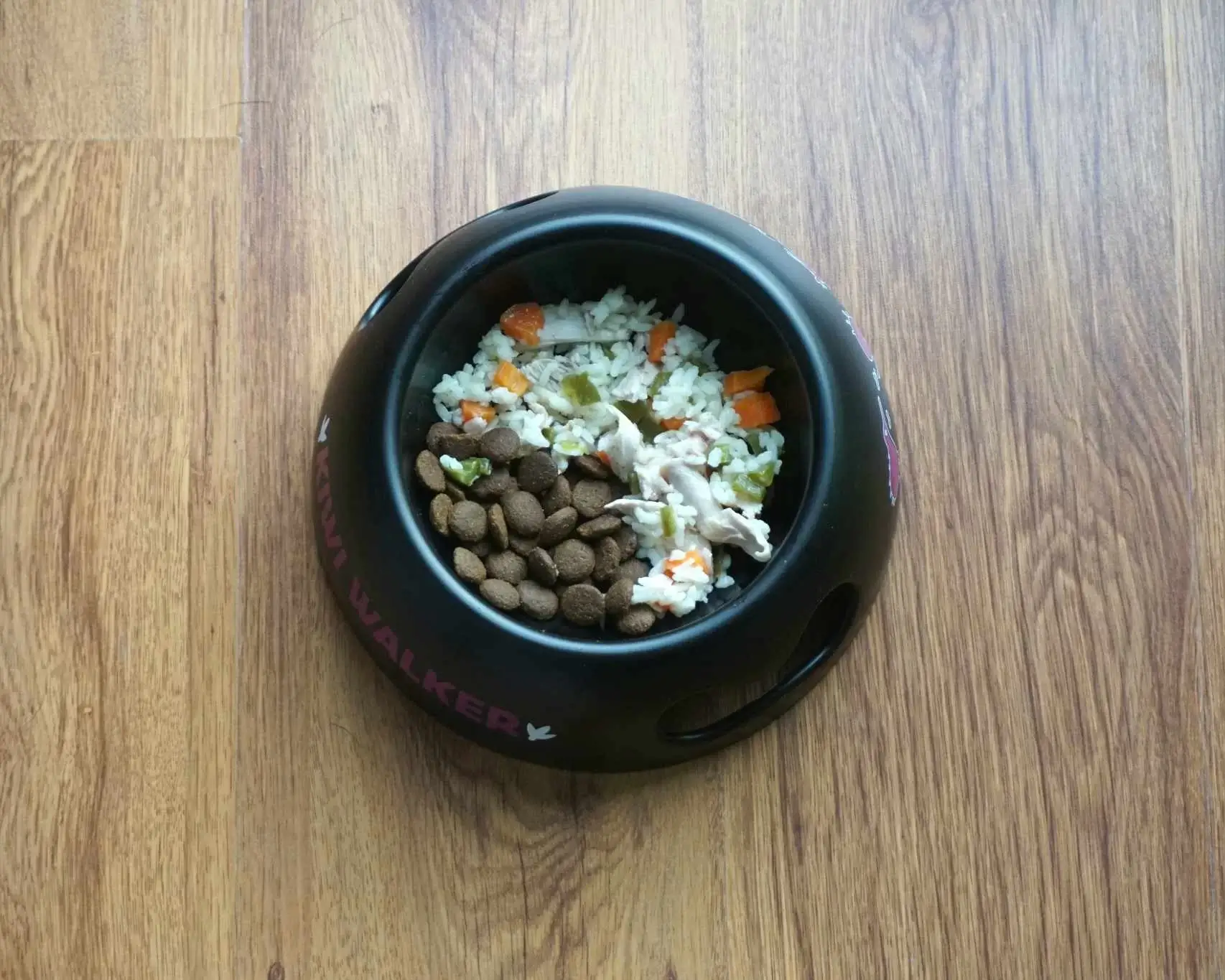
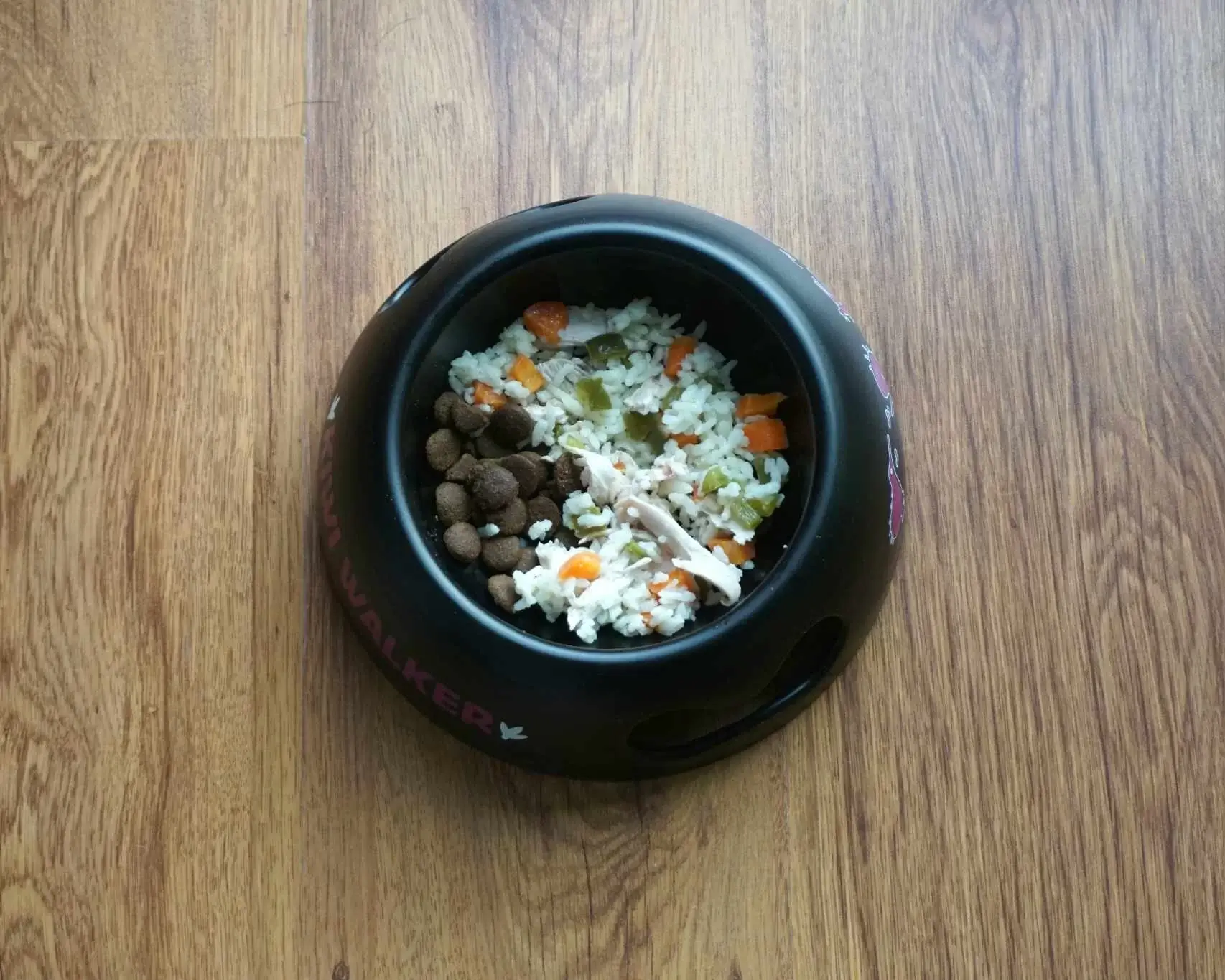
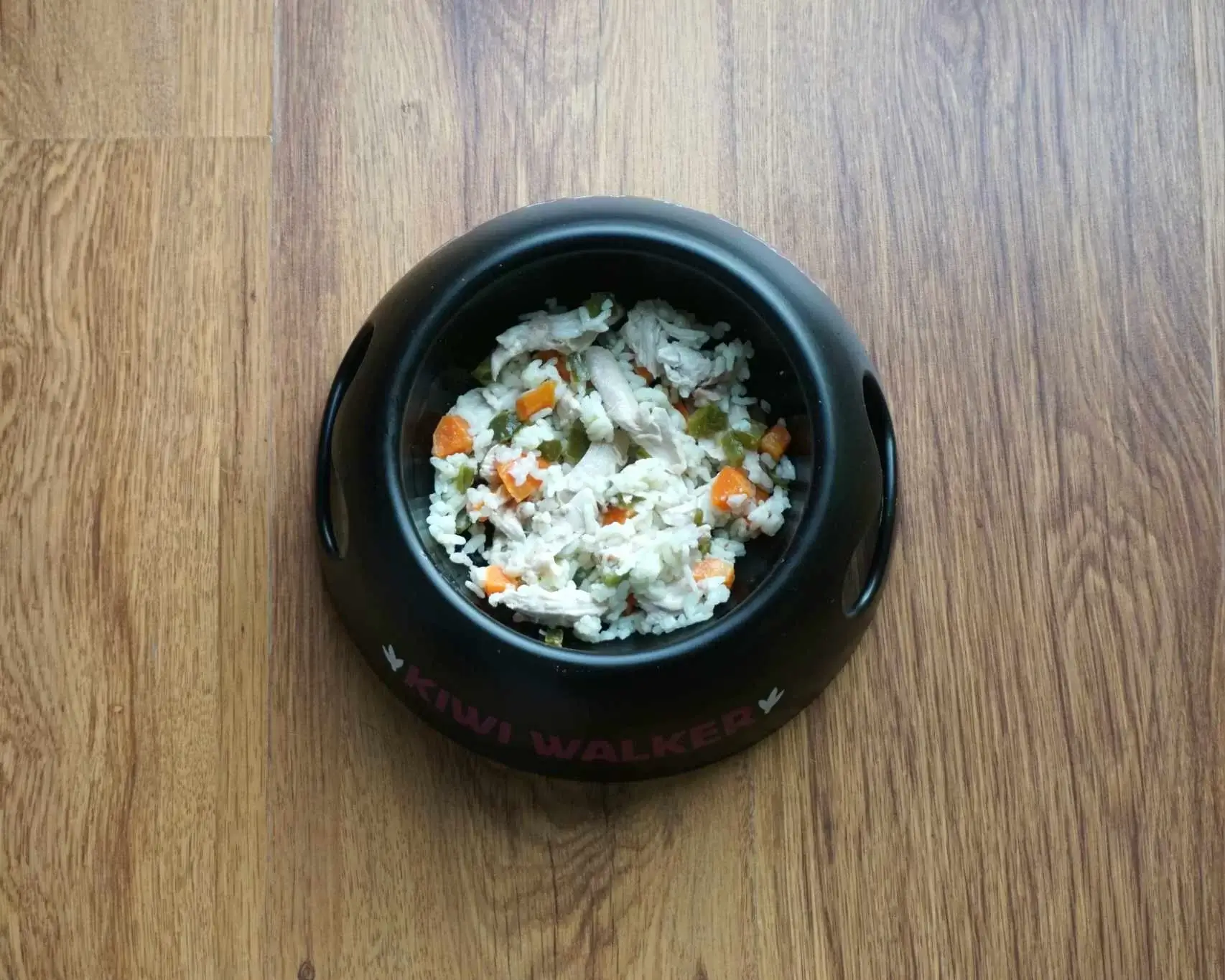
Switching to home cooked food is better done on a schedule. I share a sample one, below. Keep in mind that each dog is individual and depending on their health status, taste preferences, personality or reaction to a particular food, you can slow down or speed up the process of switching from pellets to homemade. Be observant and give yourself time. Give yourself at least a week for the transition period, basically guided by your furry friend’s adaptation. So:
- Day 1 – 10% homemade food to 90% kibble
- Day 2 – 20% homemade food to 80% kibble
- Day 3 – 35% homemade food to 65% kibble
- Day 4 – 50% homemade food to 50% kibble
- Day 5 – 70% homemade food to 30% kibble
- Day 6 – 80% homemade food to 20% kibble
- Day 7 – 100% homemade food
As I mentioned above, you can slow this process down if your dog has trouble changing the food menu. I’ve given you a hint of healthy rewards that you can use to start getting your furry friend used to human grade food (the apple and carrot). In fact, as long as you’re cooking for yourself and you’ve cooked meat that hasn’t been salted yet, and is in its purest form, you can give bits of it to your pup. Take note, cooked meat in its purest form! This excludes sausages, cracklings, cured and smoked meats, meatballs, steaks and any other meat that has been seasoned, salted, spiced and processed for human taste! It can be dangerous! All of these products contain large amounts of salt, spices, stabilizers and so on, and they are bad for the dog.
During the transition period, watch your furry friend carefully. If you notice that they refuse food, has vomiting or diarrhoea – go back to the old food and make the transition even smoother. Adding a probiotic to your dog’s food also helps in some situations. If your dog’s symptoms persist after returning to the old diet, contact your veterinarian for a consultation.
Homemade food will allow you to create a personalized diet for your dog and save you money. It’s good to remember that all dogs need a well balanced menu, but this is sometimes a difficult task. You need to find the right balance of carbohydrates, protein, fat and calories. In this blog you will find different recipes to get you started and going or to inspire you to create your own. A proper diet should contain:
- Protein – turkey or chicken, pork, tender beef, etc.
- Vegetables – carrot, peas, squash, green beans…
- Carbohydrates – rice, potato, pasta..
- Fats – coconut oil or fat released from meat when cooking.
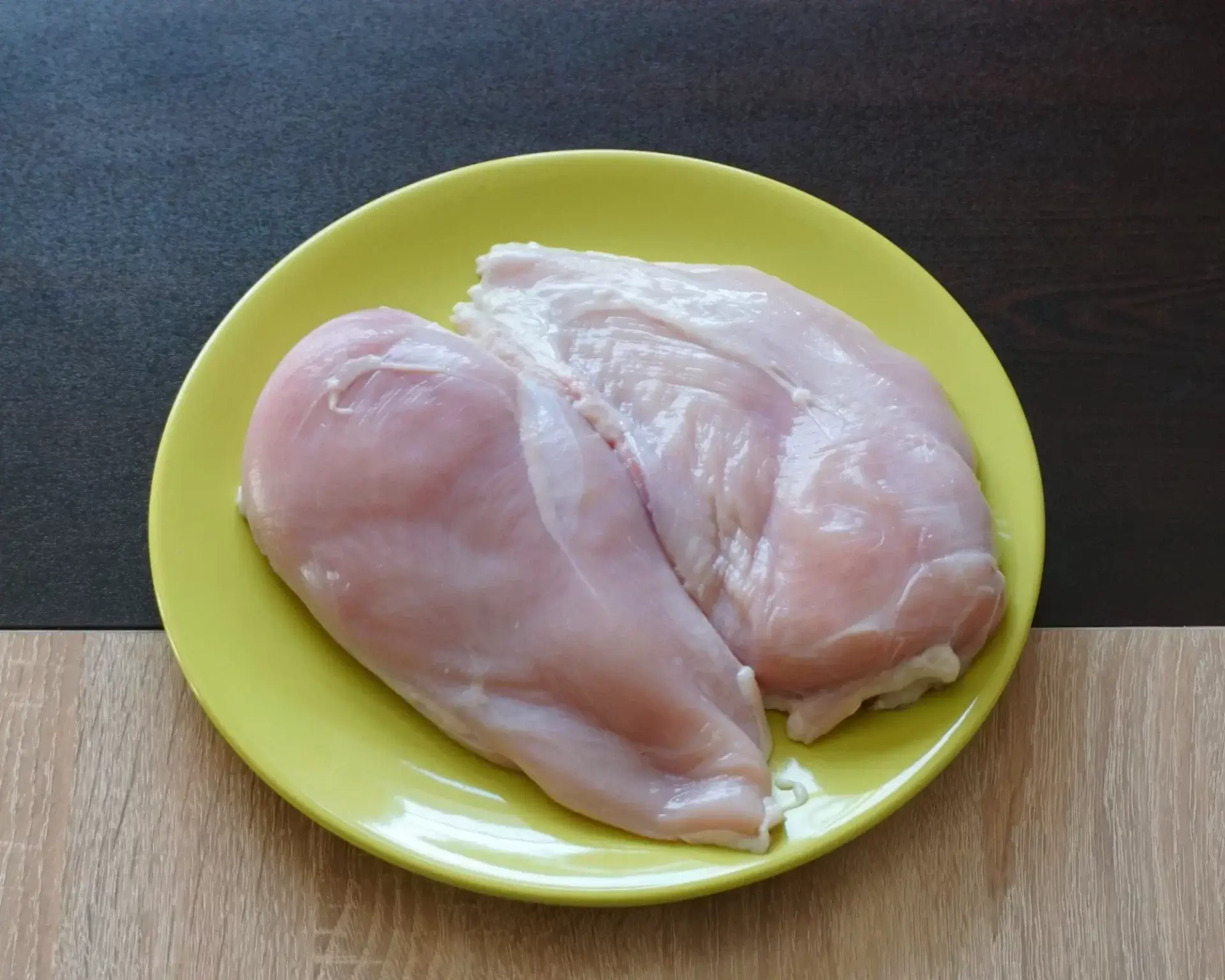


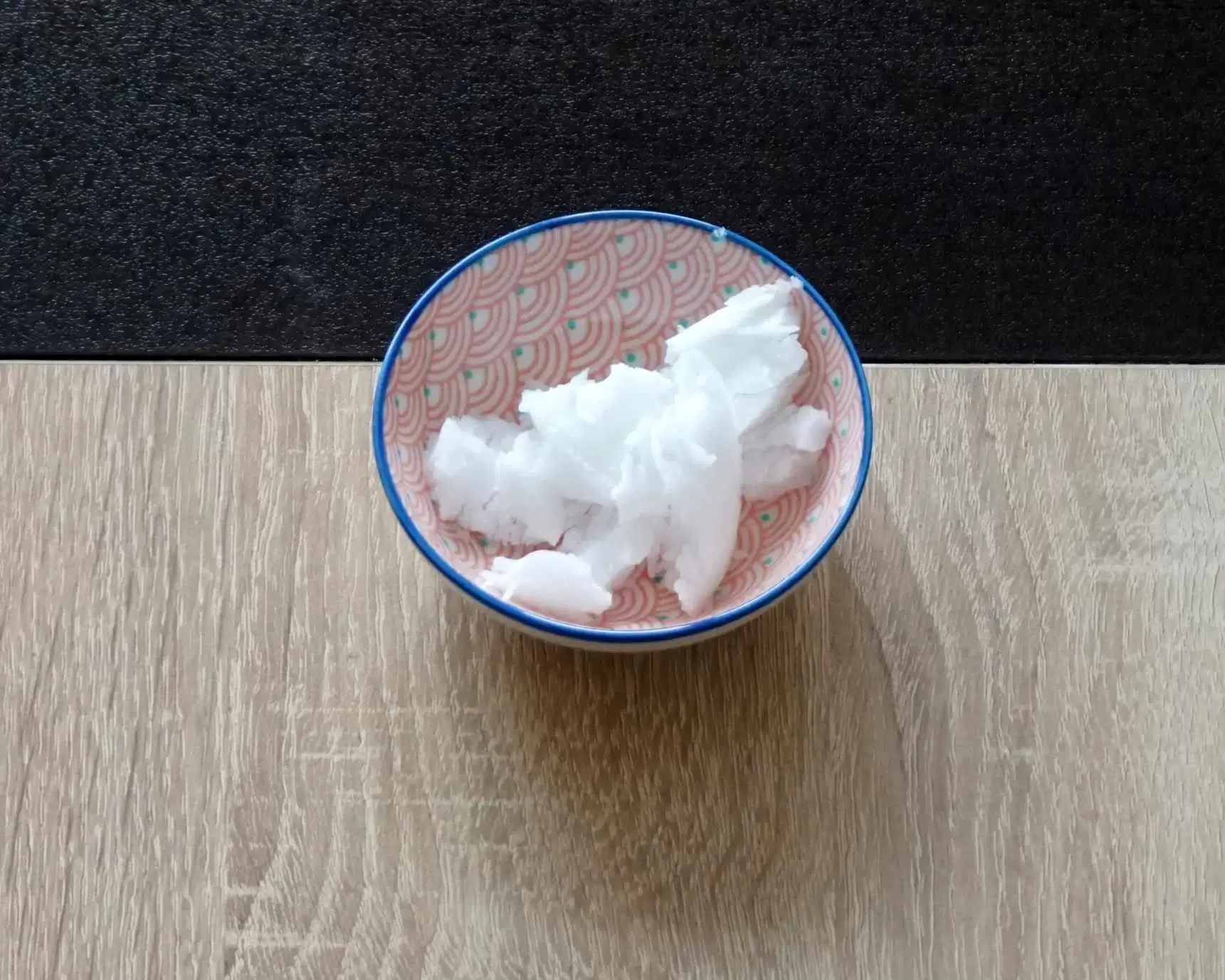
When you start making homemade food for your pet, you don’t need to cook every day. Depending on your dog’s needs, prepare a larger amount of food to store in boxes in the refrigerator. If you have more space, you can even divide them into portions – for your convenience and to save time. Do not store prepared food for more than 5 days. There’s a danger it will spoil and cause your pet discomfort, plus the idea is to keep it fresh.
But most important of all is to ALWAYS COOK WITH LOTS OF LOVE!